

Bengal is known for its rich handloom heritage, where cotton sarees have remained an important part of everyday fashion and traditional celebrations for generations. Among the most popular choices are Tant and Bengal Cotton sarees, admired for their lightweight fabrics, breathable textures, beautiful borders, and distinctive woven patterns.
For someone exploring Bengali handloom sarees, Tant and Bengal Cotton can sometimes seem like two different categories. However, the distinction is not always straightforward. Tant is a traditional Bengali cotton handloom saree style, whereas Bengal Cotton is a broader term used for cotton sarees originating from Bengal's diverse weaving traditions.
Both offer beautiful designs and practical styling possibilities. From crisp everyday sarees to soft handwoven creations with decorative borders, these cotton sarees are suitable for different occasions and personal preferences.
Whether you are buying your first Bengali cotton saree or adding another handloom piece to your collection, understanding their differences can help you make a better choice.
Tant vs Bengal Cotton Sarees: 7 Key Differences Every Buyer Should Know
1. Difference in Weaving Tradition and Origin
One of the first things to understand about Tant and Bengal Cotton sarees is their connection to Bengal's handloom heritage.
Tant sarees are traditional Bengali handloom sarees woven primarily using cotton yarn. They are particularly associated with weaving centres such as Shantipur, Phulia, and other parts of West Bengal. The weaving tradition is known for its distinctive borders, decorative motifs, and comfortable cotton fabric.
Bengal Cotton sarees, meanwhile, is a broader term used to describe cotton sarees produced through Bengal's textile traditions. This category includes different regional weaving styles, designs, and techniques, such as Tant, Tangail, Begampuri, and Phulia.
Therefore, Tant is not an entirely separate category from Bengal Cotton. It is one of the important traditional styles within Bengal's wider cotton saree heritage.
2. Difference in Fabric Texture and Comfort

Fabric texture plays an important role when choosing a cotton saree, especially if you plan to wear it for several hours.
Traditional Tant sarees are often recognised for their crisp texture, lightweight construction, and comfortable drape. Their breathable cotton fabric makes them particularly suitable for warm and humid weather.
Bengal Cotton sarees can offer a wider variety of textures depending on their weaving tradition and construction. Some have a crisp finish, while others feature a softer and more relaxed drape.
For example, the Rangamati Cotton Handloom Tangail Saree – Handwoven Elegance features a soft yet sturdy Tangail weave, a rustic red base, a beige border, and geometric Jamdani motifs.
Its handwoven cotton construction offers an interesting alternative for women who prefer a softer texture over the crisp finish traditionally associated with Tant sarees.
When choosing between the two, consider whether you prefer a structured saree that holds its pleats or a softer cotton fabric that falls more naturally.
3. Difference in Borders and Traditional Patterns

Borders and motifs are among the most noticeable design elements of Bengali cotton sarees.
Tant sarees often feature decorative borders, contrasting colours, striped patterns, floral motifs, and traditional woven designs. Depending on the weaving style, their borders can be simple or elaborate.
Bengal Cotton sarees offer a wider variety of design possibilities. They may feature geometric patterns, traditional Bengali motifs, Jamdani detailing, decorative pallus, and contrasting borders.
Some sarees also incorporate distinctive regional elements that reflect the artistic traditions of their weaving communities.
The Kolka Durga Lal Mahapar Soft Tangail Saree features traditional Kolka motifs and a prominent Mahapar border, creating a distinctive Bengali festive appearance.
These design variations make Bengal Cotton sarees suitable for women who prefer both minimal everyday patterns and more elaborate traditional styling.
4. Difference in Weight and Draping Style
The weight and drape of a saree can significantly influence how comfortable it feels throughout the day.
Tant sarees are generally lightweight and known for their crisp draping characteristics. Their cotton construction allows the fabric to form structured pleats, making them a practical choice for regular wear.
Bengal Cotton sarees vary depending on their weave, yarn, and fabric construction. Some are lightweight and crisp, while others have a softer texture and more fluid drape.
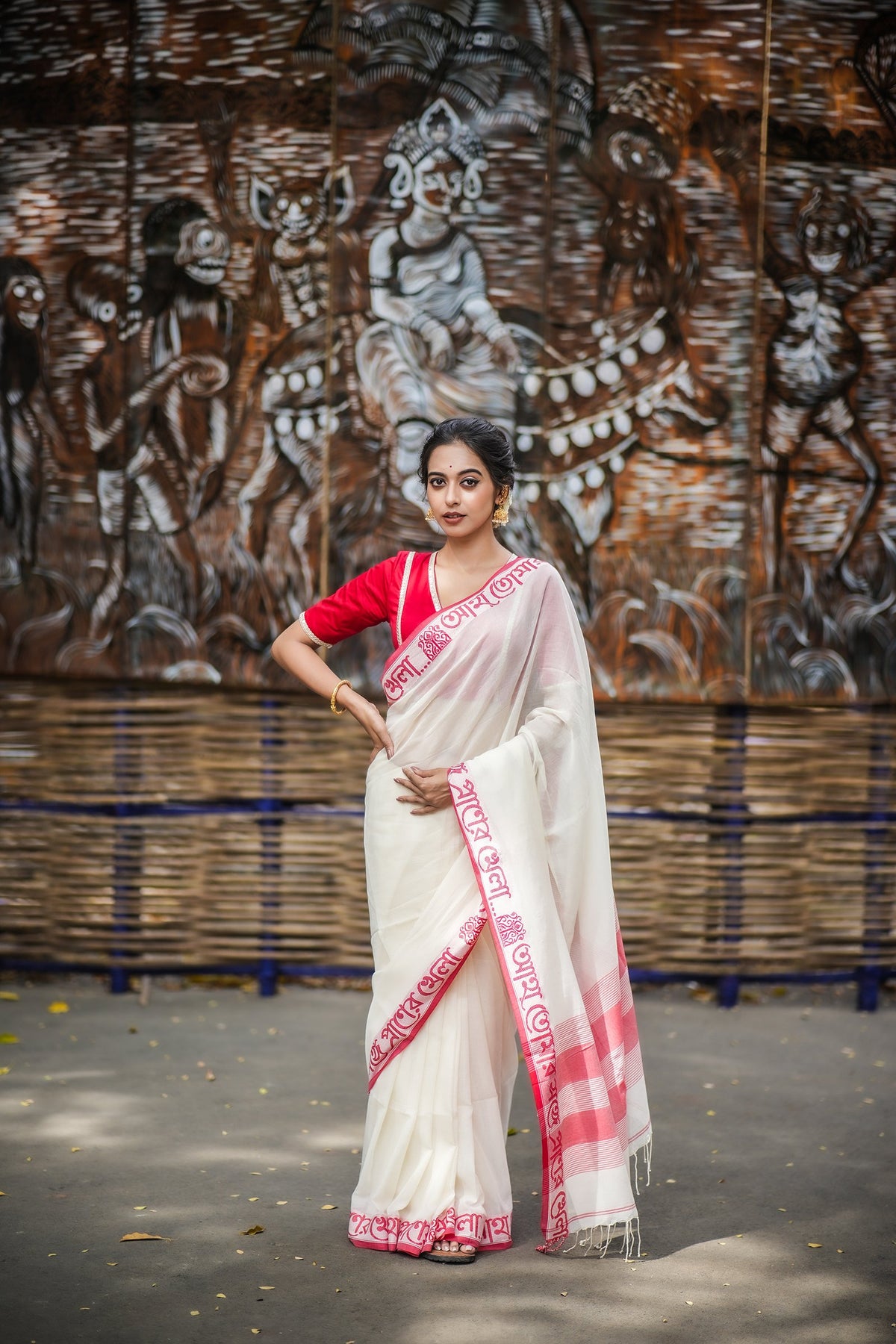
For example, the Praner Khela Cotton Handloom Saree represents another option within the brand's handloom cotton collection.
When purchasing a saree, check its fabric description and product specifications instead of assuming that every Tant or Bengal Cotton saree will have the same weight or draping characteristics.
5. Difference in Colours and Design Variety
Traditional Bengali cotton sarees are available in a wide range of colours, from classic red, white, and blue to contemporary pastel and earthy shades.
Tant sarees are often associated with vibrant colour combinations, contrasting borders, and traditional patterns. These designs create a distinctive Bengali appearance while keeping the overall look comfortable and wearable.
Bengal Cotton sarees offer even more variety across different weaving styles. You can find minimal designs for everyday use, colourful sarees for festive occasions, and patterned handloom creations for special gatherings.
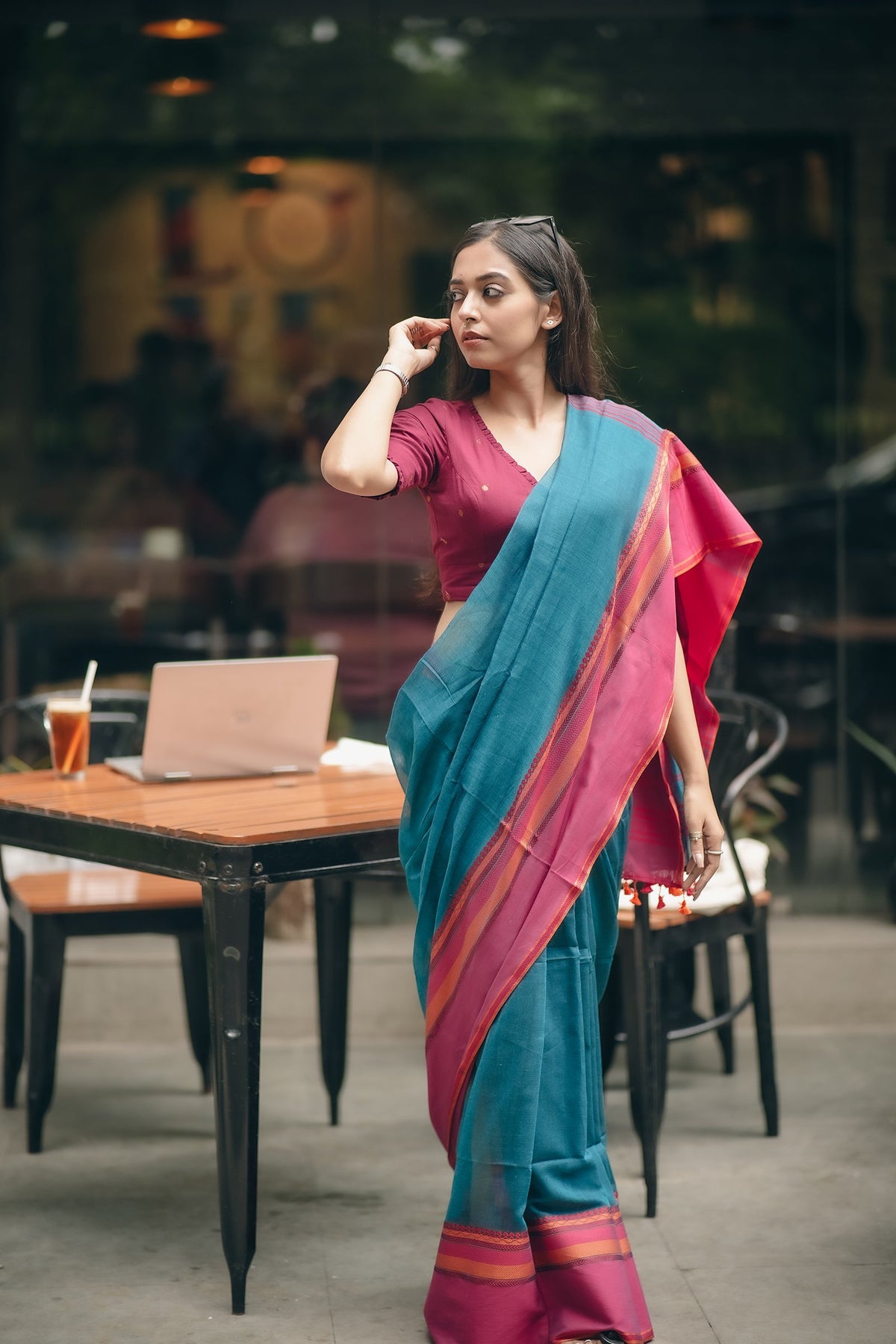
The Mayuri Tangail Handloom Cotton Saree – Peacock Blue Elegance is an example of colourful Tangail-inspired cotton styling. Its peacock-blue colour makes it an interesting choice for women who enjoy vibrant handloom sarees.
Both categories offer plenty of options, so your choice can depend on your preferred colour palette and the kind of look you want to create.
6. Difference in Suitable Occasions
Tant and Bengal Cotton sarees are versatile enough to be worn for different occasions. However, the choice of design and detailing can influence where each saree works best.
Tant sarees are particularly popular for everyday wear, office styling, casual outings, and traditional daytime gatherings. Their lightweight cotton fabric makes them comfortable for extended use.
Bengal Cotton sarees can also be worn regularly, but more decorative designs are suitable for festive celebrations, cultural programmes, family gatherings, and special occasions.
A simple cotton saree with a contrasting border can create an elegant office look, while a handwoven saree with elaborate motifs can make a beautiful festive outfit.
You can style both with traditional cotton blouses, contemporary silhouettes, or embroidered blouses depending on the occasion.
7. Difference in Styling and Maintenance
Both Tant and Bengal Cotton sarees can be styled in several ways. Their natural cotton texture makes them suitable for traditional as well as contemporary outfits.
For everyday styling, pair a Tant saree with a simple cotton blouse, small earrings, and comfortable footwear. A neat bun or an open hairstyle can complete the look.
For a more festive appearance, choose a Bengal Cotton saree with decorative motifs or a statement border. Pair it with a contrasting blouse, traditional jewellery, and a neatly draped pallu.
Maintenance is another important consideration. Handloom cotton sarees require careful handling to preserve their texture, colours, and woven patterns.
Follow these basic care practices:
-
Read the individual saree's wash-care instructions before cleaning.
-
Avoid machine washing delicate handloom sarees.
-
Use gentle cleaning methods recommended for the fabric.
-
Dry the saree away from prolonged direct sunlight.
-
Store it in a clean, dry, breathable fabric bag.
-
Refold the saree occasionally to avoid permanent creases.
The right care routine can help maintain the appearance and longevity of your cotton sarees.
Tant vs Bengal Cotton Sarees: Quick Comparison
|
Features |
Tant Sarees |
Bengal Cotton Sarees |
|
Meaning |
Traditional Bengali cotton handloom style |
Broader category of Bengal-origin cotton sarees |
|
Fabric |
Primarily cotton |
Primarily cotton |
|
Texture |
Often crisp and lightweight |
Can be crisp, soft, or textured |
|
Weaving |
Traditional handloom weaving |
Different regional weaving techniques |
|
Patterns |
Stripes, floral motifs, contrasting borders |
Geometric, floral, traditional and decorative motifs |
|
Draping |
Often structured pleats |
Depends on the individual weave |
|
Occasions |
Everyday wear, office and festive occasions |
Everyday wear, cultural gatherings and celebrations |
How to Choose Between Tant and Bengal Cotton Sarees
Choosing the right cotton saree depends on your personal preferences, comfort requirements, and the occasions for which you plan to wear it.
-
Consider the fabric texture: Choose a traditional Tant saree if you prefer a crisp drape, or explore other Bengal Cotton styles if you want different textures.
-
Look at the weaving style: Understand whether the saree features Tant, Tangail, Phulia, Begampuri, or another regional weaving tradition.
-
Choose according to the occasion: Minimal cotton sarees work beautifully for office wear and everyday styling, while decorative designs are suitable for festive gatherings.
-
Pay attention to the border: Contrasting borders and traditional motifs can change the overall appearance of a saree.
-
Check product specifications: Always review the fabric composition, weave, length, blouse-piece details, and wash-care instructions before purchasing.
Remember that Tant is one of the traditional styles within Bengal's broader cotton saree heritage. The two terms should not be treated as completely unrelated fabric categories.
Frequently Asked Questions
1. What is the main difference between Tant and Bengal Cotton sarees?
Tant refers to a traditional Bengali cotton handloom saree style, while Bengal Cotton is a broader term covering different cotton sarees associated with Bengal's textile traditions. Tant sarees are therefore part of the larger Bengal Cotton category.
2. Are Tant sarees made from pure cotton?
Traditional Tant sarees are primarily woven using cotton yarn. However, buyers should always check individual product specifications to understand the exact fabric composition.
3. Are Bengal Cotton sarees suitable for everyday wear?
Yes. Bengal Cotton sarees are popular for everyday wear because of their breathable fabric and comfortable drape. They are suitable for office wear, casual outings, and daytime gatherings.
4. Which is better for summer, Tant or Bengal Cotton?
Both can be excellent choices for summer. Lightweight cotton Tant sarees are particularly popular for warm and humid weather. However, comfort also depends on the yarn, weave, and fabric construction.
5. How can I identify an authentic Tant saree?
Check the weaving details, fabric composition, product description, and handloom authenticity information. Handloom certification and information about the weaving tradition can also help you make an informed purchase.
6. Are Tant sarees suitable for festive occasions?
Yes. Tant sarees with decorative borders, colourful motifs, and elaborate pallus can be styled for Durga Puja, family gatherings, cultural programmes, and other festive celebrations.
7. How should I wash and maintain Bengal Cotton sarees?
Follow the product-specific wash-care instructions. For delicate handloom cotton sarees, gentle hand washing or dry cleaning may be recommended. Avoid machine washing unless the product instructions specifically allow it.
Discover the Beauty of Bengal Cotton Sarees at Kathatale

Tant and Bengal Cotton sarees represent the beauty of Bengal's traditional handloom craftsmanship. While Tant is a distinctive traditional weaving style, Bengal Cotton encompasses a wider variety of regional styles, textures, and designs.
Whether you prefer the crisp drape of a traditional Tant saree or the softer appearance of a contemporary handwoven cotton saree, both offer beautiful options for everyday styling and special occasions.
Explore the Bengal Cotton Saree Collection at Katha – A Tale of Weaves and discover handwoven creations inspired by Bengal's textile heritage. Find a saree that reflects your personal style while celebrating the craftsmanship of traditional Indian weavers.
